rxyan2@wm.edu
SolarZaan
Ran Yang
Final Project Demo: December 12, 2024, during final exam period
Project Proposal Due: November 4, 2024, 5:00 PM
Final Documentation Due: December 15, 2024
SolarZaan, Dutch Heritage Touches the Sun
The final project for PHYS 351 challenges students to create a modern interpretation of a traditional Netherlands windmill. This project combines mechanical engineering, electrical systems, software development, and creative design into a comprehensive demonstration of the concepts covered throughout the semester.
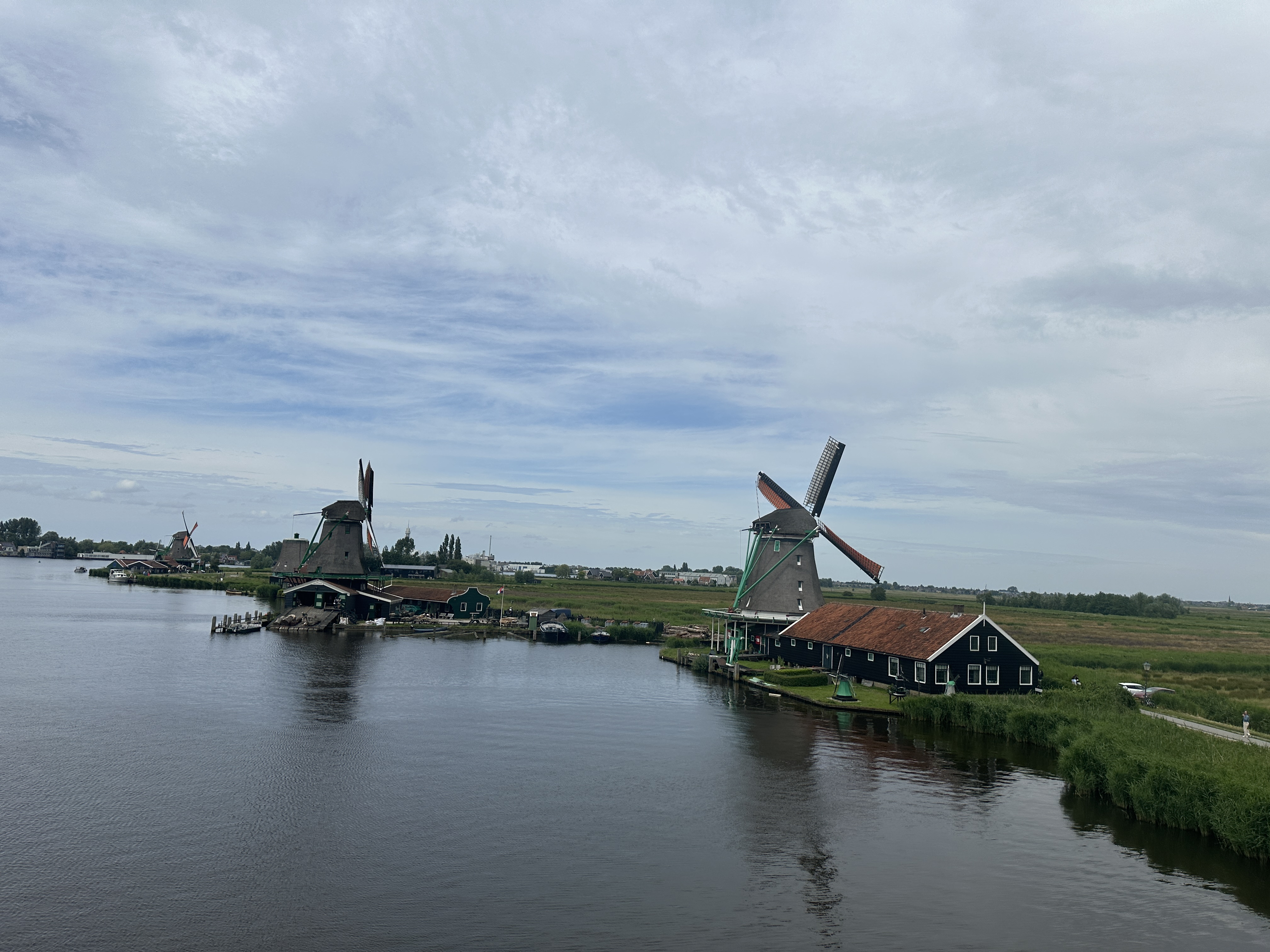
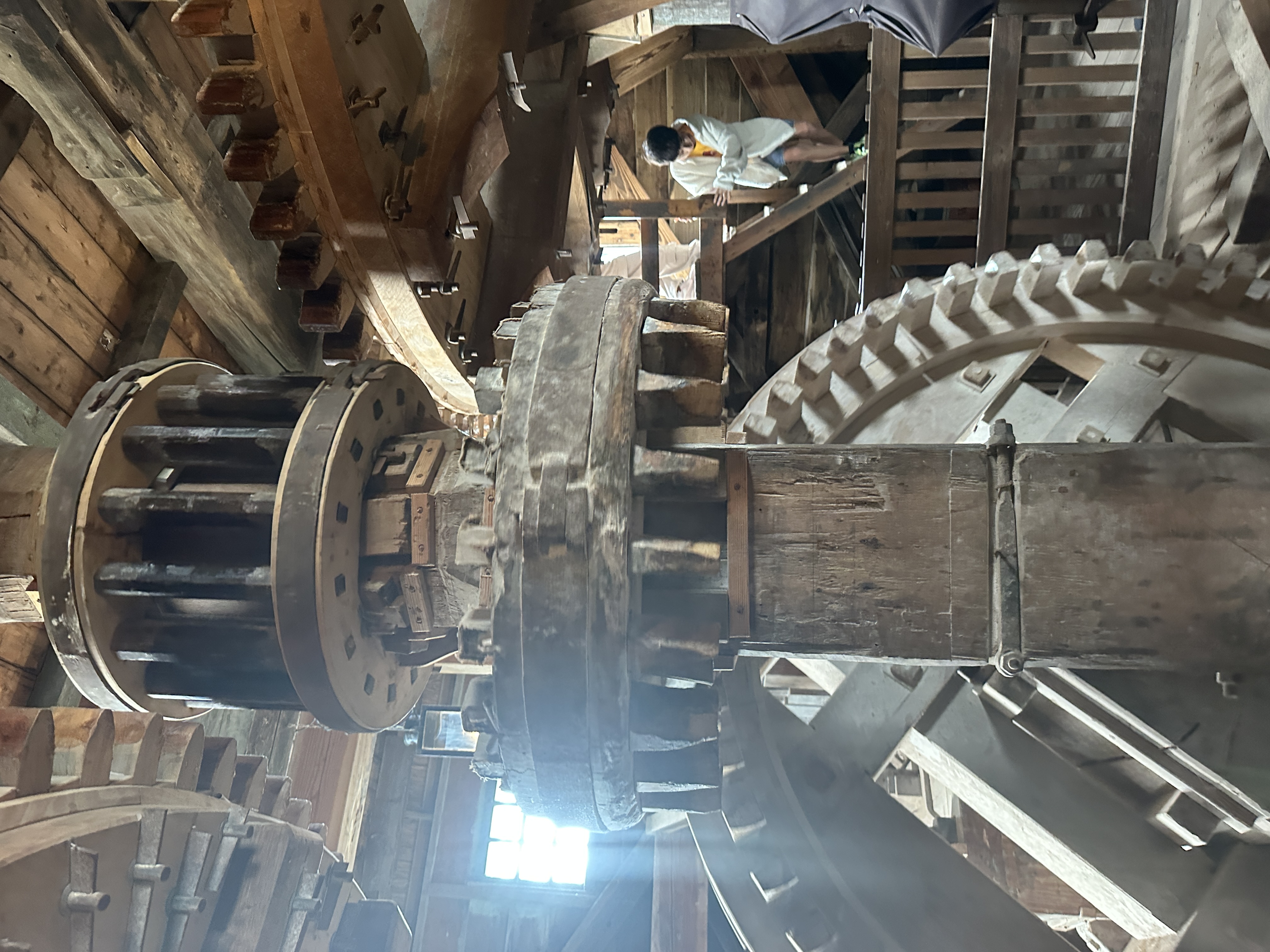
Zaandam Windmill, photos by Ran Yang
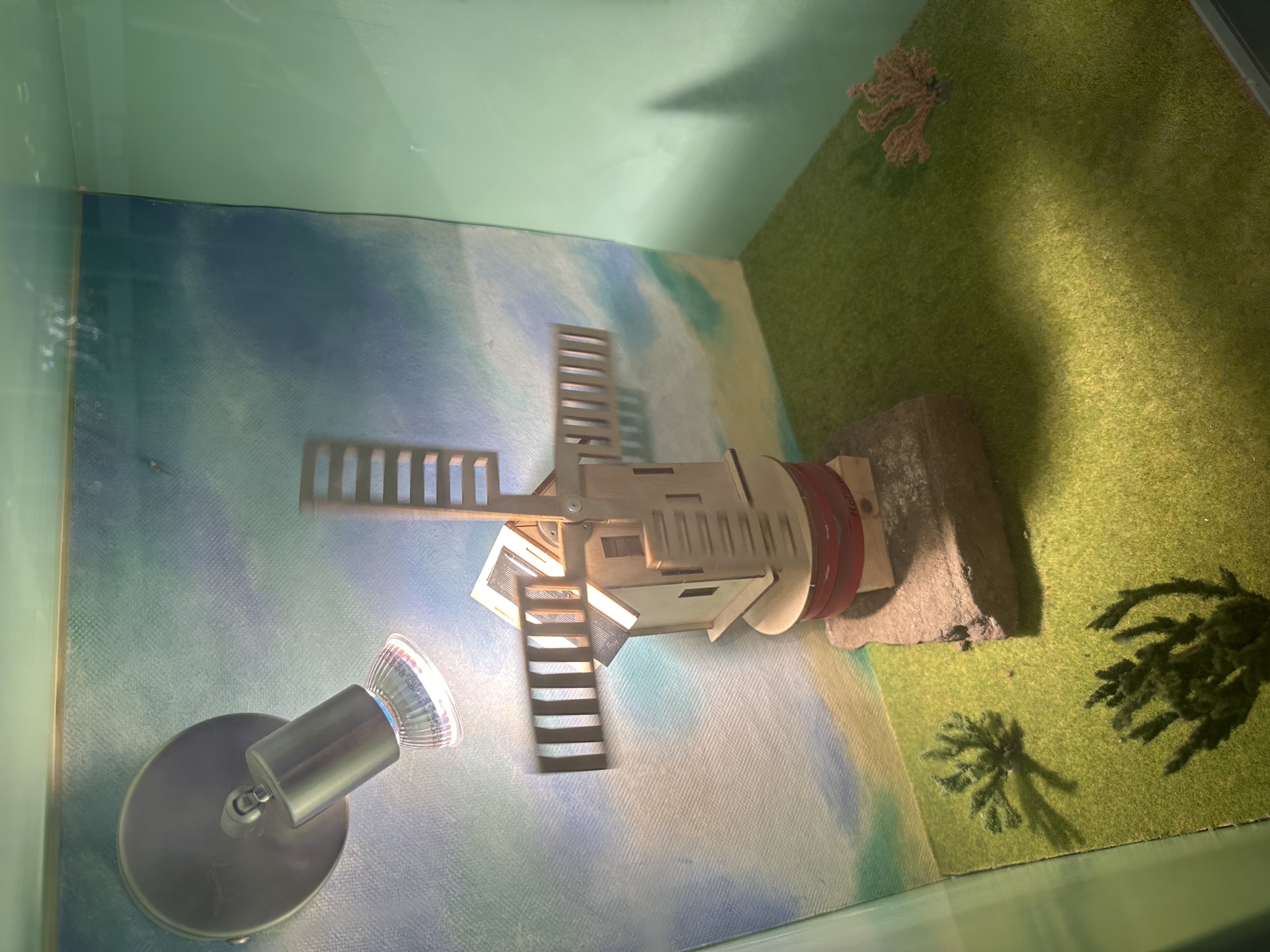
The following images from Zaandam, Netherlands showcase the historical significance and engineering complexity that inspire our modern interpretation:
Team Structure
Teams will consist of three students, with one pre-assigned leader. Each team member must fulfill multiple roles while having primary responsibility for specific aspects:
Project Manager (Leader)
Project coordination and timeline management
Materials acquisition and budget oversight
Team meeting organization
Electrical Engineer
Circuit design and implementation
Power management system
Sensor integration
Software Developer
Interface development (GUI or CLI)
Control system programming
GitHub repository management
Mechanical Engineer
CAD design and documentation
Structure assembly
Motion system implementation
Documentation/PR
Progress documentation
Photo/video recording
Report writing
Quality Control
Testing procedures
Performance verification
Safety compliance
Requirements
Core Requirements 70%
Mechanical Systems
Windmill blade assembly with bidirectional control
Clockwise rotation capability
Counter-clockwise rotation capability
Variable speed control
Translational motion mechanism (choose one or propose alternative)
Grinding mechanism (e.g., rice to powder)
Pulling system (e.g., log transport simulation)
Alternative energy transformation system
Structural integrity
Stable base design
Proper support for moving components
Safety considerations for all mechanical parts
Electrical Systems
Solar power system
Functional with artificial indoor lighting
Operational in natural daylight
Proper voltage regulation
Adequate power storage/management
Control interface
Physical On/Off/Standby button
Emergency stop functionality
Status indicators
Software Control
User interface requirements
Direction control
Speed adjustment
System status monitoring
Error handling and reporting
Documentation requirements
Commented code
README file
Installation/setup instructions
Your Creativity 30%
Suggestions and not limited to:
Aesthetic Enhancements Suggestions
LED light show integration
Themed decorative elements
Professional finish and appearance
Advanced Features Suggestions
Advanced user interface
Voice control implementation
AI integration
Musical accompaniment
Creative mechanical additions
Project Proposal Requirements
Due November 4, 5:00 PM on Gradescope. Minimum 4 pages including:
Project Overview
Creative project name
Project scope and objectives
Unique features and innovations
Technical Documentation
Initial design drawings
System architecture
Component interaction diagrams
Bill of Materials (separate spreadsheet)
Component descriptions
Quantities and unit prices
Vendor information and URLs
Delivery timelines
Total budget
Team Organization
Role assignments
Meeting schedule
Communication plan
Project timeline
Suggested Project Timeline and Weekly Targets
Week 1: Project Initiation (November 4-7)
Monday Session
Project teams announced
Initial brainstorming session
Project proposal development
BOM draft review
Wednesday/Thursday Lab
Proposal submission (Due 5 PM Wednesday)
Initial parts ordering
Repository setup
Design sketches and CAD initiation
Deliverables
Completed project proposal
Approved BOM
Parts ordered or in fabrication
Initial CAD designs
GitHub repository established
Week 2: Core Development (November 11-14)
Monday Session
All parts must be ordered by this date
Circuit design review
Software architecture planning
Mechanical design finalization
Wednesday/Thursday Lab
Begin physical construction
Power system testing
Initial software framework
Progress Report 1 Due
Deliverables
Basic structure assembled
Power system functional
Initial software working
Basic motion system tested
All parts received or in transit
Week 3: System Integration (November 18-21)
Monday Session
Initial assembly review
Code implementation
Circuit integration
Motion system testing
Wednesday/Thursday Lab
Continue assembly
Software-hardware integration
Motion control testing
Progress Report 2 Due
Deliverables
Full assembly 75% complete
Basic control system working
Power management implemented
Motion translation functional
Initial interface testing
Week 4: Thanksgiving Week (November 25-28)
Monday Session
Core functionality testing
Interface development
System optimization
Progress Report 3 Due
Wednesday/Thursday Lab
Thanksgiving Break
Optional individual work
Remote collaboration encouraged
Deliverables
Assembly 90% complete
Control system refined
Interface functional
Basic error handling
Initial testing complete
Week 5: Final Development (December 2-5)
Monday Session
Full system testing
Bug fixing
Performance optimization
Progress Report 4 Due
Wednesday/Thursday Lab
Troubleshooting
Interface refinement
Final adjustments
Presentation preparation
Deliverables
All systems fully integrated
Interface polished
Documentation complete
Performance optimized
Presentation prepared
Final Presentation (December 12)
Live system demonstration
Technical presentation
Q&A session
System evaluation
Final documentation submission
Weekly Progress Reports
Progress reports are due each Monday and must include:
Completed tasks since last report
Challenges encountered and solutions implemented
Goals for the upcoming week
Updated timeline and milestones
Resource needs and constraints
Individual team member contributions
Photo/video documentation of progress
Documentation Requirements
Teams must maintain:
Dail/weekly progress log
Testing results and analysis
Modification records
Problem-solution documentation
Photo/video project records
Regular code commits
CAD version history
Safety and Workspace Requirements
All projects must adhere to these guidelines:
Electrical safety
Proper insulation
Overload protection
Secure connections
Mechanical safety
Guards on moving parts
Stable mounting
Emergency stop system
Operational safety
Clear operating instructions
Visible warning labels
User safety guidelines
Workspace Management
Daily Cleanup Requirements
Return all tools to designated storage locations
Properly dispose of any waste materials
Clean and wipe down work surfaces
Store project components in assigned areas
Label all stored materials clearly
Makerspace Protocol
Sign in/out of the space as required
Follow all posted Makerspace rules
Return equipment to original locations
Clean all used tools and equipment
Report any damaged equipment immediately
Material Storage
Keep components in designated project boxes
Label all stored materials with team name and date
Remove all personal items after each session
Maintain clear walkways and work areas
Properly store any hazardous materials
Important Note: Points will be deducted from the final project grade for:
Complaints received from Jonathan or TAs regarding workspace cleanliness
Failure to properly clean and restore work areas
Leaving tools or materials in unauthorized locations
Not following Makerspace protocols
Improper disposal of materials
Remember: A clean workspace is crucial for both safety and project success. Maintaining professional standards of cleanliness and organization is part of your project evaluation.